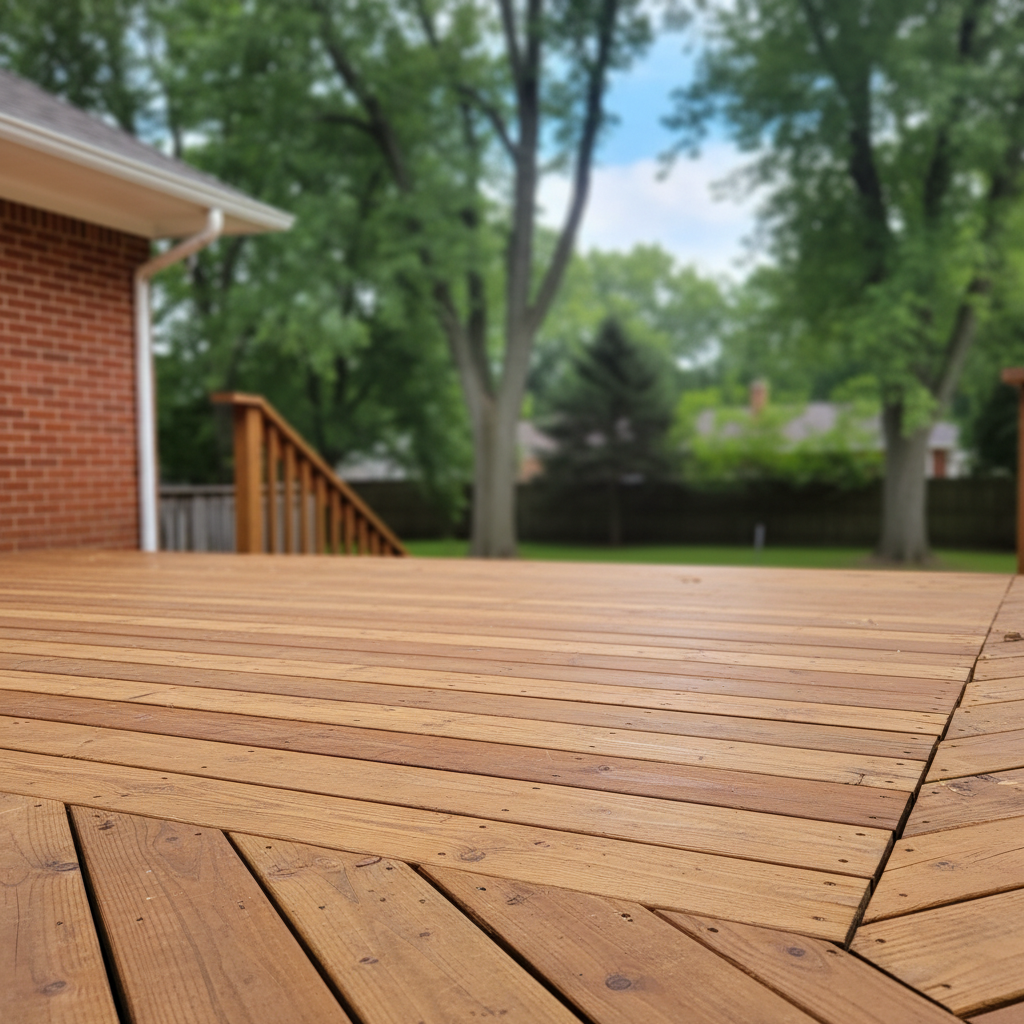
Your deck really takes a beating, especially here in Detroit. Our weather is just wild – those humid summers and brutal winters really put outdoor structures through their paces. So, if you're starting to notice some issues, trust me, you're not alone. The big question for most homeowners usually boils down to this: "Can I fix this myself, or is it time to call someone?" Let's break down what you can probably handle and when it's definitely time to pick up the phone.
Before You Grab Your Tools: Inspect Your Deck
Before you even think about patching things up, you've got to know what you're dealing with. Give your whole deck a really thorough once-over. Don't just look at the surface, either; get underneath if you can. Grab a screwdriver and poke around at any wood that looks suspicious. If it's soft or crumbles, that's rot, and that's a problem.
- Check the ledger board: This is the board that attaches your deck right to your house. Make sure it's securely bolted and not pulling away. This is super important for safety.
- Inspect posts and footings: Are your support posts straight? Are the concrete footings cracked or sinking? Any movement here is a big red flag.
- Look at joists and beams: These are the structural bones right underneath your deck boards. Check for sagging, cracks, or rot.
- Examine deck boards: Are they splintering, cupping, or rotting? Are the fasteners (screws/nails) popping up?
- Test railings and stairs: Give them a good shake. Are they sturdy? Are balusters missing or loose? What about those stair treads – are they wobbly?
This first inspection will tell you a lot about how big your repair job might be. If you find widespread rot, significant structural issues, or anything that just makes you feel uneasy, you're probably leaning towards calling a pro.
DIY Deck Repairs: What You Can Tackle
Alright, so you've done your inspection and found some smaller issues. Good news! You can probably handle a lot of these yourself and save some cash, which is always nice.
- Replacing a few rotten deck boards: If it's just one or two boards that are rotted or badly splintered, you can usually cut them out and replace them. Just make sure you use exterior-grade screws and match the wood type if you can. It's not too tough, but measure twice, cut once, right?
- Tightening loose railings or balusters: Often, a wobbly railing just needs some new, longer screws or bolts. If a baluster is loose, you might be able to re-secure it with deck screws. Just be careful not to drill into any electrical lines if your deck has lighting.
- Hammering down popped nails or replacing with screws: Nails tend to pop up over time, especially with our Detroit freeze-thaw cycles. Pull those old nails out and replace them with good quality deck screws. They hold much, much better.
- Cleaning and re-sealing/staining: This isn't really a repair, but it's crucial for preventing future damage. A good power wash (be careful not to damage the wood!) and a fresh coat of stain or sealer every couple of years will protect your deck from the elements. This is probably the most important maintenance you can do, honestly.
- Minor stair tread repair: If a single stair tread is loose or a bit worn, you can often re-secure it or replace just that one board. Again, use good deck screws.
For these types of repairs, you'll need some basic tools: a drill, a circular saw or jigsaw, a measuring tape, a pry bar, and a good supply of exterior-grade deck screws. Safety glasses and gloves are a must, always.
When to Call a Professional Deck Builder
Look, there's no shame in knowing your limits. Some deck problems are just too big, too complex, or too risky for a DIY fix. This is when you absolutely need to call in a professional, someone like us at Top Line Decks Detroit.
- Structural damage: This is the big one. If you see widespread rot in joists, beams, or the ledger board, or if your support posts are leaning or compromised, that's a job for an expert. These components are what keep your deck from collapsing, and you definitely don't want to mess around with them.
- Footing issues: If your concrete footings are cracked, crumbling, or if the deck is noticeably sinking or shifting, you need a professional assessment. This often involves specialized equipment and knowledge of local building codes.
- Extensive wood rot: If you're finding soft, punky wood in multiple places, especially in load-bearing areas, it's probably more than just replacing a simple board. Rot spreads, and a professional can identify its full extent and make sure it's properly fixed.
- Deck pulling away from the house: This is a major safety hazard. If the ledger board isn't securely attached or is rotting, your deck could separate from your home. Don't wait on this; call someone immediately.
- Major railing or stair system failure: If an entire section of railing is loose or if a whole set of stairs feels unstable, it's not just a few screws. This points to a deeper problem with how it's anchored or built.
- Permit requirements: For significant structural repairs or modifications, you might need a building permit from the city of Detroit. A professional deck builder will know the local codes and handle the permit process for you, ensuring the work is up to snuff.
Trying to DIY these bigger jobs can be dangerous, lead to more expensive problems down the road, and might not even pass inspection if you ever sell your house. It's just not worth the risk, truly.
After the Repair: Keep It Looking Good
Whether you did the work yourself or hired a pro, don't just forget about your deck until the next problem pops up. Regular maintenance is key to making it last. Clean it yearly, re-seal or re-stain every couple of years, and do a quick inspection every spring and fall. Catching small issues early can save you a lot of headache and money down the line.
Your deck is an investment and a great spot to enjoy our Detroit summers. Take care of it, and it'll take care of you.