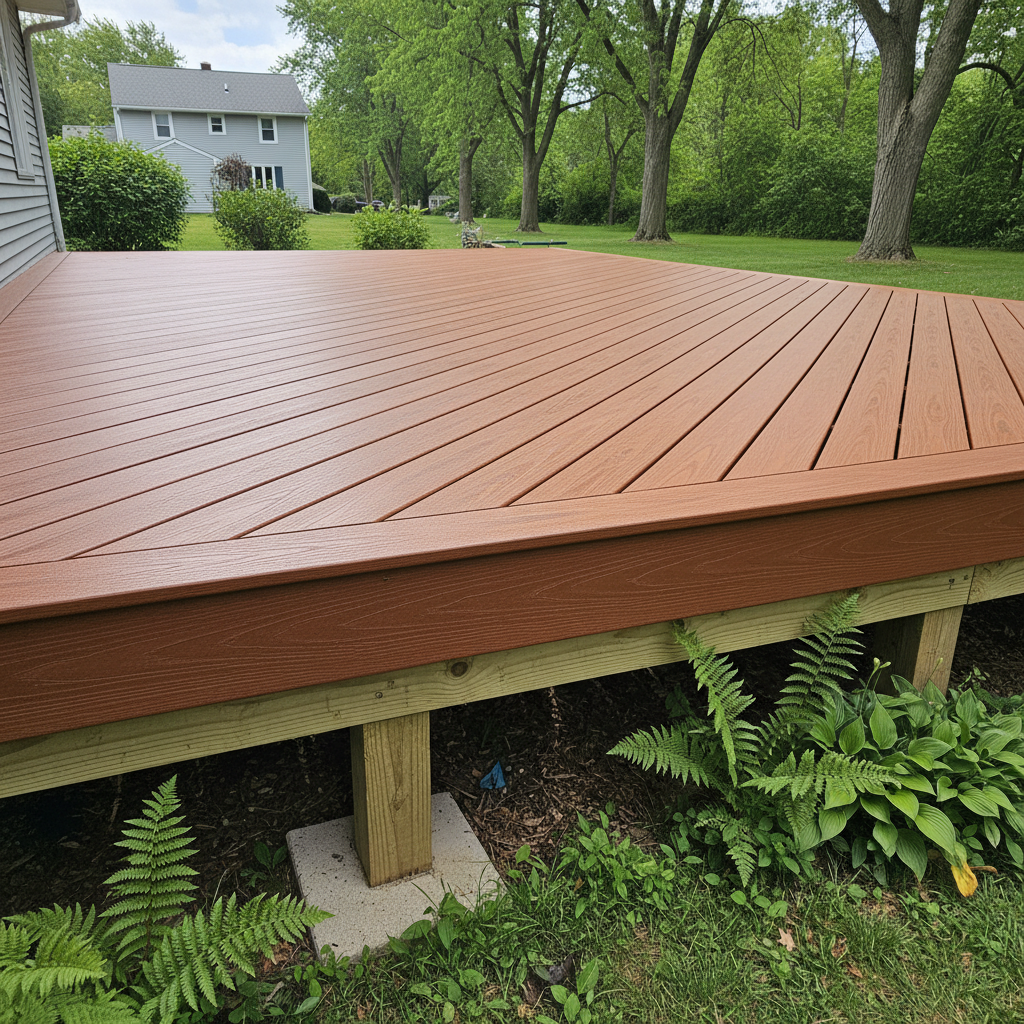
Alright, let's talk decks. I get a lot of the same questions when folks call me up, ready to build something great in their backyard. It's good to ask, you know? You're investing in your home, and you want to get it right. So, I figured I'd put together some straight answers to the stuff I hear most often. No fluff, just what you need to know.
Do I really need a permit for a deck in Detroit?
Yes, absolutely. Look, I know it feels like a hassle sometimes, but it's not just red tape. Permits are there to make sure your deck is built safely and to code. You don't want a deck that's going to wobble or, worse, collapse because someone cut corners. The City of Detroit has specific requirements for things like footings, railing height, and structural integrity. If you build without a permit, you could face fines, have to tear it down, or run into big problems when you try to sell your house later. It's just not worth the headache. We handle all that permit stuff for our clients at Top Line Decks Detroit, so you don't have to worry about it.
What's the deal with frost heave and deck footings in Michigan?
This is a big one, especially here in Michigan. We get some serious winters, right? That freeze-thaw cycle is brutal on anything in the ground. Frost heave happens when water in the soil freezes, expands, and pushes things up – like your deck footings. When it thaws, it settles back down, but not always evenly. Over time, this can make your deck uneven, sag, or even damage the structure. That's why building code requires footings to go below the frost line, which is typically 42 inches deep around here. We dig down, pour concrete footings, and often use concrete piers or helical piles to ensure your deck stays stable for decades. Don't let anyone tell you shallow footings are fine; they're not, not here.
How long does a typical deck construction project take?
That's like asking how long a piece of string is, but I get it. You want an idea. Once we've got the permits in hand and materials on site, a standard 200-300 square foot deck usually takes us anywhere from one to three weeks to build. That's from breaking ground to the final inspection. Bigger, more complex decks with multiple levels, built-in features, or intricate railings will obviously take longer. Weather plays a huge role too. A week of solid rain can push things back. We always give you a realistic timeline upfront, and we do our best to stick to it.
Can I build a deck right up against my house, or does it need to be detached?
Most decks attach directly to the house, and that's usually the most common and structurally sound way to do it. We use a ledger board, which is a piece of lumber securely bolted to your home's rim joist. This connection is critical; it has to be flashed properly to prevent water from getting into your house and causing rot. Some situations, like if your house has a brick veneer or an unusual foundation, might make a detached deck a better option. A detached deck stands on its own footings, completely separate from the house, often with a small gap. We'll assess your specific home's structure during the initial consultation to figure out the best approach.
What kind of maintenance can I expect with different decking materials?
Alright, this is where material choice really matters. You've got your pressure-treated wood, cedar, composite, and PVC. They all have their pros and cons when it comes to upkeep.
- Pressure-treated wood: This is your classic, affordable option. It needs cleaning, staining, or sealing every 1-3 years to protect it from rot, UV damage, and moisture. If you skip it, it'll gray out and start to splinter.
- Cedar: Beautiful, naturally rot and insect resistant. It'll still need cleaning and a sealant every couple of years if you want to maintain its color. Left untreated, it'll weather to a lovely silver-gray.
- Composite/PVC: These are the low-maintenance kings. You'll still need to clean them periodically to prevent mold and mildew, but no staining or sealing ever. They hold their color really well. They cost more upfront, but you save a ton on maintenance over the years.
Think about how much time you want to spend cleaning versus enjoying your deck. That'll help you decide.
What about drainage around my deck, especially in an older Detroit neighborhood?
Good question. Proper drainage is super important for the longevity of your deck and your home's foundation. In some of Detroit's older neighborhoods, you might have clay soil that doesn't drain well, or your yard might have settled over the years, creating areas where water pools. We always look at the existing grade around your house. We want to make sure water flows away from your foundation and deck footings. Sometimes that means grading the soil slightly, installing a French drain, or making sure downspouts are directed far away from the deck. You don't want standing water under your deck; it can lead to mold, rot, and attract pests. We'll make sure the site is prepped right so your deck stays dry and healthy.
How do I know if a contractor is reputable and not just going to take my money?
This is probably the most important question you can ask. There are good contractors and bad ones, just like in any business. Here's what I tell people to look for:
- Licensing and Insurance: Make sure they're properly licensed by the state and carry general liability insurance and worker's compensation. Ask for proof. If they can't provide it, walk away.
- References: Ask for recent customer references and actually call them. Ask about communication, timeline, and if they'd hire them again.
- Portfolio: Look at their past work. Do they have photos? Does it look like quality craftsmanship?
- Clear Contract: Get everything in writing. A detailed contract should outline the scope of work, materials, payment schedule, and warranty.
- No Huge Upfront Payments: Be wary of anyone asking for a massive deposit before any work starts. A reasonable deposit is usually 10-25%.
- Communication: Do they answer your calls? Do they explain things clearly? Good communication is key to a smooth project.
Building a deck is a big investment, and you deserve a contractor who's transparent, skilled, and reliable. Don't settle for less.